
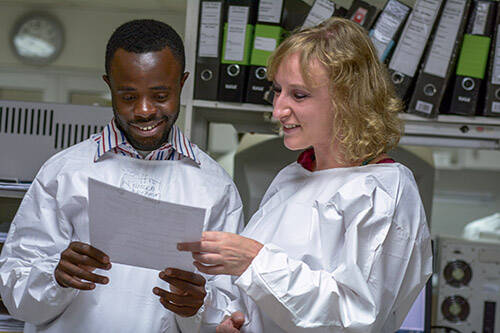
Portugal is supporting activities to establish a Reference Data Centre (RDC) at Manhiça Health Research Centre (CISM) in Mozambique as part of the EDCTP-funded Regional Network TESA. The data centre is aiming for ISO accreditation, which will encourage sponsors and other research institutions to use the CISM’s Data Centre to provide the data management infrastructure for their trials, increasing the quantity and quality of the clinical trials being fully undertaken in the region.
France has supported the Partnership for Research on Ebola VACcinations (PREVAC), one of the largest Ebola vaccination trials to date, conducted with 1,400 adults and 1,401 children aged 1 year and older. The results of the phase II PREVAC trials confirm the safety of three different vaccine regimens and suggest that an immune response is induced and maintained for up to 12 months. The trial forms the basis for the EDCTP2-funded follow-up PREVAC-UP project, which is also co-funded by ANRS, France.
The disease areas covered by the PSIAs closely align with the priorities of the EDCTP Strategic Research Agenda and the programme’s overall objectives. An integrated overview of the PSIAs and EDCTP programme activities has provided better insight into pinpointing areas where additional research is needed and helping to identify neglected priorities and evidence gaps.
The collaborative nature of PSIAs has resulted in, for instance, supporting partnerships leading or involved in major EDCTP2 trials and capacity-building activities, further emphasising important complementarity between the two funding streams.
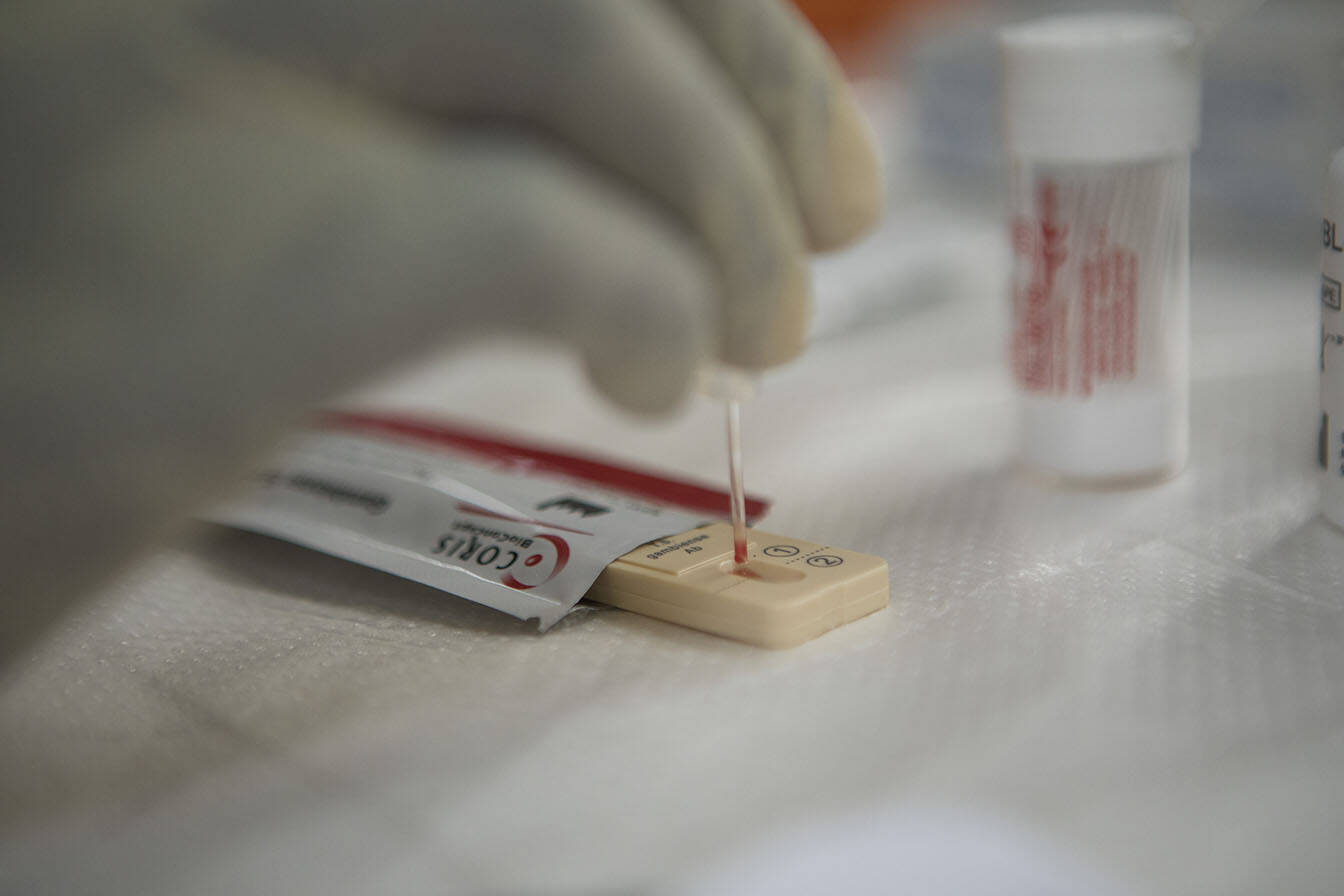
PSIAs have made many important contributions to the clinical evaluation of new interventions. Funding from Ireland and Germany has enabled the TB Alliance to develop the BPaL regimen, which
consists of the oral drugs bedaquiline, pretomanid and linezolid. BPal is considered the next big step forwards in the fight against drug resistant TB. It is an all-oral treatment where patients no longer have to undergo painful daily injections for months. But most of all, the new regimen offers a much greater chance of a cure for patients with extensively resistant TB who currently have a 39% success rate of treatment, according to WHO figures. By contrast, the BPaL regimen had a 90% favourable response in patients treated in a clinical trial setting. The BPaL regimen has been approved by the US Food and Drug Administration and the European Commission, and recommended by the World Health Organization under operational research conditions.
Through continued in-kind contributions made by the EDCTP Association’s Participating States under Global Health EDCTP3, the TB Alliance will continue rolling out the breakthrough BPaL regimen, striving for updated global guidance and additional regulatory approvals for the regimen to be used in highly drug-resistant TB patients.
PSIAs have made many important contributions to the clinical evaluation of new interventions. Funding from Ireland and Germany has enabled the TB Alliance to develop the BPaL regimen, which
consists of the oral drugs bedaquiline, pretomanid and linezolid. BPal is considered the next big step forwards in the fight against drug resistant TB. It is an all-oral treatment where patients no longer have to undergo painful daily injections for months. But most of all, the new regimen offers a much greater chance of a cure for patients with extensively resistant TB who currently have a 39% success rate of treatment, according to WHO figures. By contrast, the BPaL regimen had a 90% favourable response in patients treated in a clinical trial setting. The BPaL regimen has been approved by the US Food and Drug Administration and the European Commission, and recommended by the World Health Organization under operational research conditions.
Through continued in-kind contributions made by the EDCTP Association’s Participating States under Global Health EDCTP3, the TB Alliance will continue rolling out the breakthrough BPaL regimen, striving for updated global guidance and additional regulatory approvals for the regimen to be used in highly drug-resistant TB patients.
The disease areas covered by the PSIAs closely align with the priorities of the EDCTP Strategic Research Agenda and the programme’s overall objectives. An integrated overview of the PSIAs and EDCTP programme activities has provided better insight into pinpointing areas where additional research is needed and helping to identify neglected priorities and evidence gaps.
The collaborative nature of PSIAs has resulted in, for instance, supporting partnerships leading or involved in major EDCTP2 trials and capacity-building activities, further emphasising important complementarity between the two funding streams.
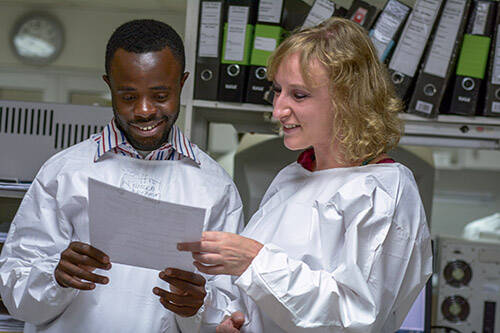
Portugal is supporting activities to establish a Reference Data Centre (RDC) at Manhiça Health Research Centre (CISM) in Mozambique as part of the EDCTP-funded Regional Network TESA. The data centre is aiming for ISO accreditation, which will encourage sponsors and other research institutions to use the CISM’s Data Centre to provide the data management infrastructure for their trials, increasing the quantity and quality of the clinical trials being fully undertaken in the region.
France has supported the Partnership for Research on Ebola VACcinations (PREVAC), one of the largest Ebola vaccination trials to date, conducted with 1,400 adults and 1,401 children aged 1 year and older. The results of the phase II PREVAC trials confirm the safety of three different vaccine regimens and suggest that an immune response is induced and maintained for up to 12 months. The trial forms the basis for the EDCTP2-funded follow-up PREVAC-UP project, which is also co-funded by ANRS, France.